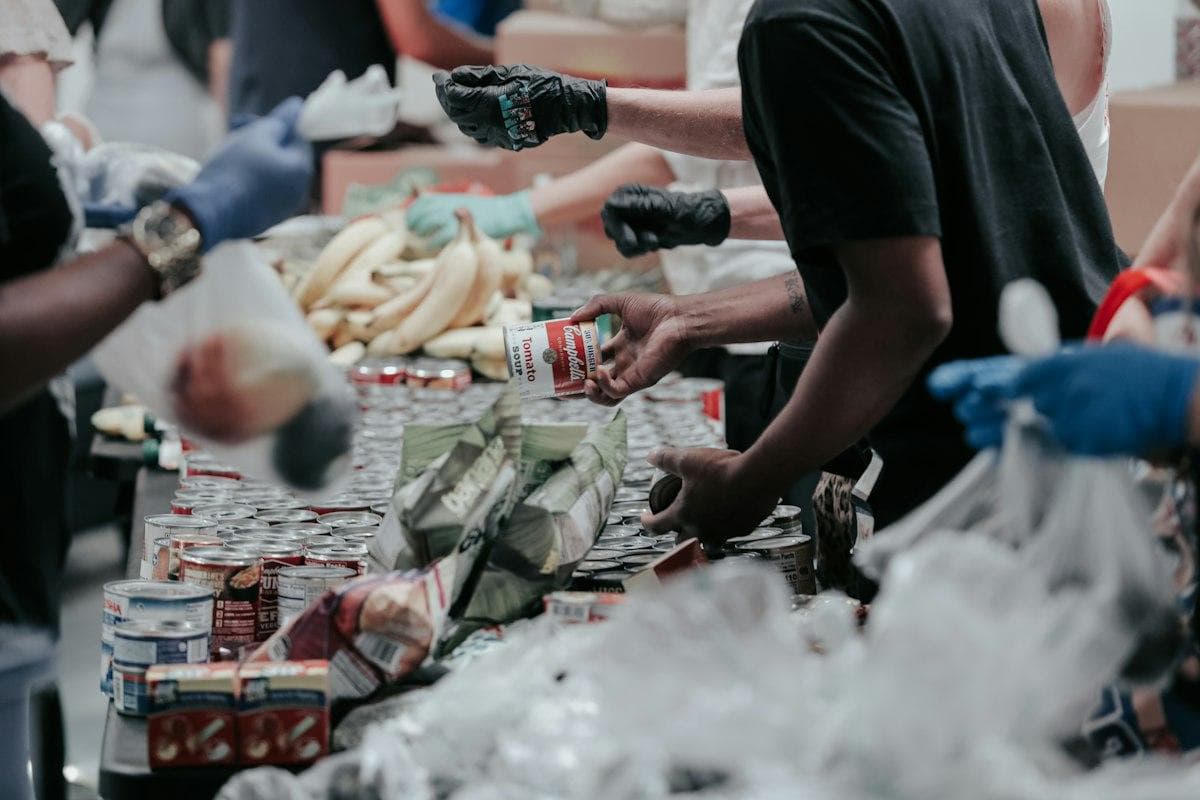
When people think of philanthropy, they often picture billionaires signing enormous cheques. In reality, most charitable giving comes from ordinary people. Small gifts of five, ten or twenty dollars, given by millions of individuals, fund food banks, clinics, schools, animal shelters and disaster relief around the world. This is micro-philanthropy, and it is one of the most powerful forces for good we have.
What Is Micro-Philanthropy?
Micro-philanthropy simply means giving small amounts, often regularly, to causes you care about. Technology has made it easier than ever: one-click donations, round-up apps that donate spare change, crowdfunding pages and text-to-give campaigns let anyone contribute in seconds. Individually, these gifts look modest. Together, they add up to a significant share of the funding many charities rely on.
Why Small Gifts Matter So Much
- Reliable income: monthly donors give charities predictable funding they can plan around.
- Flexibility: unrestricted small gifts can go where they are needed most.
- Independence: a broad donor base means less reliance on a few big funders.
- Community strength: many supporters create a movement, not just a budget line.
What Small Amounts Can Achieve
Exact figures vary by organisation and region, but the examples below show how far modest gifts can go.
| Donation | Possible impact |
| $5 | Several meals through a local food bank’s bulk purchasing |
| $10 | A mosquito net protecting a family from malaria |
| $25 | School supplies for a child for a term |
| $50 | Vaccinations and basic care for a rescued animal |
| $10 per month | $120 a year of steady support a charity can budget for |
Generosity Is Everywhere
Micro-giving is not limited to charities’ own websites. Supermarkets ask shoppers to round up their bill, streaming creators host charity live streams, gamers raise millions in speedrun marathons, and businesses of every type run campaigns that turn everyday activity into donations. Sports clubs, brands and online platforms, from retailers to entertainment sites like Bets.io, increasingly take part in community and charity initiatives, showing that generosity can be built into almost any part of modern life. For donors, the key is to look past the campaign and check where the money actually goes.
How to Make Your Small Donation Count
- Choose a cause you care about. You are more likely to keep giving when it feels personal.
- Check the charity. Look at registration, annual reports and independent ratings from evaluators.
- Give monthly if you can. Even a small recurring gift is worth more to a charity than an occasional one-off.
- Prefer unrestricted gifts. Let the experts decide where funds are most needed.
- Use matching schemes. Many employers double staff donations.
- Claim tax benefits. Schemes like Gift Aid in the UK can add 25% to your gift at no cost to you.
Giving Beyond Money
Micro-philanthropy also includes small gifts of time and attention. Sharing a fundraiser on social media, volunteering for two hours a month, donating clothes or simply signing a petition can multiply the effect of financial gifts. Many charities say that advocacy from supporters is just as valuable as cash.
Teaching the Next Generation
Children who see giving as normal often grow into lifelong donors. Families can set aside a small share of pocket money for a chosen cause, pick a charity together each year, or volunteer as a group. These habits create a culture of generosity that lasts far longer than any single gift.
Conclusion
You do not need a fortune to change the world. A few dollars, given thoughtfully and regularly, joins countless other small gifts to feed families, heal patients, educate children and protect communities. The power of micro-philanthropy lies in numbers, and every donor counts.